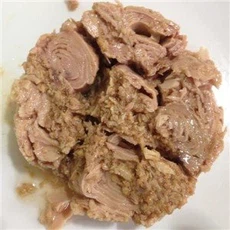
Ko visi kļūdās par konserviem
Konservi saņem diezgan sliktu repu. Jūs droši vien esat dzirdējuši vai lasījuši, ka konservi nav tik barojoši kā svaigi vai saldēti pārtikas produkti, ka tie vienmēr ir pārpildīti ar pārmērīgu nātrija vai cukura daudzumu vai pat to, ka pašas skārdenes ir izklātas ar kaitīgām ķīmiskām vielām. Patiesība (kā parasti) ir daudz sarežģītāka.
The process of canning dates back to the 18th century, when it was used to feed soldiers and sailors at war, and involves sealing foods in cans or jars and then pressure-cooking them at a high temperature in order to kill any harmful bacteria and preserve the food (via BBC). While this does destroy some of the nutrients present in the raw ingredients, so does cooking them from fresh. In fact, these nutrients start to deteriorate the moment the item is picked from the plant, even if you're keeping it chilled in your fridge. In other words, the canning process itself doesn't make a food healthy or unhealthy — for that, you'll need to look at individual products and ingredient lists.

Kā izvairīties no konserviem, kas pildīti ar nātriju un cukuru

Some of the negative stigma about canned goods undoubtedly comes from the textures and tastes of certain canned fruits and vegetables — and how different they are from the fresh versions. After all, how could a canned beet have the same nutrients as a fresh one when they taste so different?
In reality, the canning process is designed to preserve as many nutrients as possible (via How Stuff Works). "Fresh fruits and vegetables are harvested at the peak of ripeness and canned within only four hours, sealing in their nutrition and flavor," noted Sherrie Rosenblatt, a vice president with the Can Manufacturers Institute. So, while the pressure cooking does destroy some water-soluble nutrients, fat-soluble ones like vitamins A, D, E, and K are able to survive being canned, as are most minerals. This makes canned produce a cheap and convenient source of essential nutrients for areas with limited agricultural resources or individuals on a tight budget (via Healthline).
Tas, kas patiešām var padarīt konservētu produktu neveselīgu, ir pievienotās sastāvdaļas, īpaši sāls un cukurs, ko izmanto garšas uzlabošanai. Šī iemesla dēļ izvairieties no pārtikas produktiem, kas konservēti sīrupos vai sālījumos, kas ir pildīti ar attiecīgi lieko cukuru un nātriju, un tā vietā izvēlieties kārbas ar īsu sastāvdaļu sarakstu un preces, kas konservētas ūdenī vai savās sulās (izmantojot Insider). Un neaizmirstiet iztukšot un izskalot konservētos ēdienus pirms to gatavošanas vai pasniegšanas, lai noņemtu lieko sāli, cukuru vai konservantus.
Kāpēc jūs varat pārtraukt uztraukties par konserviem un BPA

If you're already looking at the ingredient lists on your cans to scope out the healthiest options, there's one more additive you might be watching out for: BPA. Bisphenol A, or BPA, was used on the lining of food cans to prevent bacterial growth and keep the can itself from corroding over time (via CEN). Unfortunately, studies showed that the BPA on cans was able to contaminate the food it touched (via Healthline). Once in the body, BPA acts as an artificial estrogen and messes with the hormones; too much can lead to developmental and reproductive issues and even damage your DNA (via Insider).
Taču, pirms sākat iztukšot savu pieliekamo no visiem konservētajiem produktiem, ir svarīgi atzīmēt, ka kopš 2018. gada sākuma 90 procenti pārtikā izmantoto kārbu vairs nesatur BPA, liecina konservu ražotāju institūta dati. Tagad lielākā daļa kārbu oderes ir izgatavotas no akrila un poliestera. Bet, ja jūs joprojām uztraucat 10 procenti, vienmēr varat pārbaudīt kārbu, lai pārliecinātos (izmantojot Well and Good). Priecīgu konservu skenēšanu!
Saistītās ziņas
- proteīns no zirņiem: rosīgs daži izplatīti mīti
- Indijas atkarība no dārga cepamās eļļas importa...
- Kalifornija 2022. gadā noslēgs līgumu par 11,1 ...
- Organisko tomātu pastas tirgus augošais piepras...
- Portugāle, 2021: lauksaimniecības ražas rekords
- Pasaules tomātu pastas tirdzniecība 2020./2021
- Globālais tomātu pastas eksports, atjaunināts 2...
- Konservētas sēnes: vai ir ieguvumi veselībai?
- Krievijas-Ukrainas karš|Ietekme uz Ķīnas kečupu...
- Konservētu zirņu uzturvielas
- Ielīmēšanas cenas - 2022. gada janvāris: ASV, S...
- Cukurkukurūzas konservi
- Konservētas tunzivis ir lielisks sirds veselīgas
- Tērauda cenas varētu būt "daudz augstākas"
- Kā pagatavot ar konservētām sēnēm
- Kāda ir atšķirība starp rīsu etiķi un garšvielu...
- Tuvojas 2022. gada Ķīnas pavasara festivāla svētki
- Vai jums ir dažas idejas par konservētu ūdens k...
- 2021. gada jauna raža zemesriekstu produktiem
- Jauna konservētu sēņu ražošanas sezona